Lady Finger Cookies: The Delicate Biscuit Behind Classic Desserts
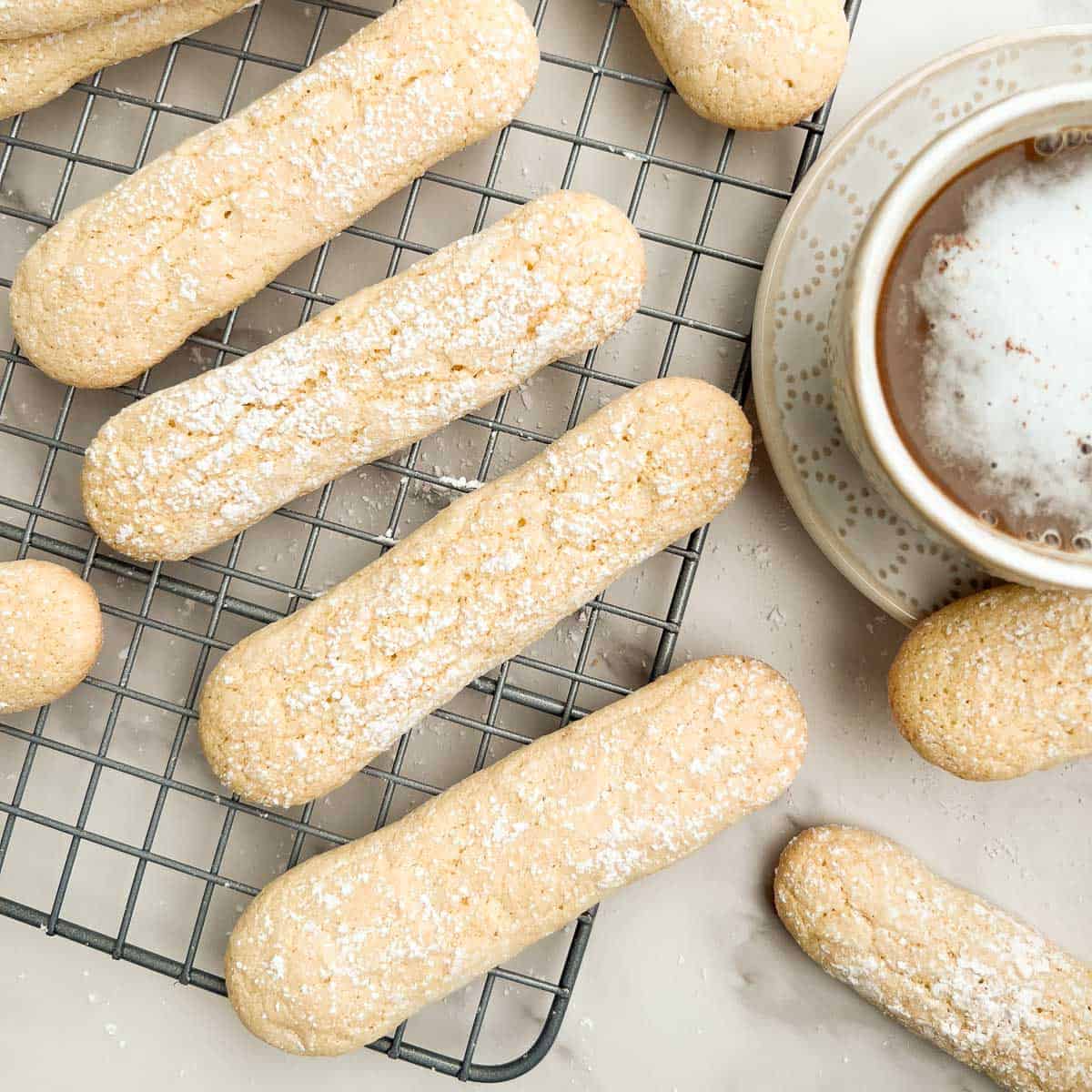
Light, airy, and gently sweet, lady finger cookies are a familiar ingredient in some of the world’s best-loved desserts. Known as savoiardi in Italian, these elongated sponge biscuits have a crisp exterior and a soft, tender center. They’re delicious with coffee or tea, but their ability to soak up liquid without immediately falling apart is what makes them especially useful in layered desserts.
What Are Lady Finger Cookies?
Lady fingers are sponge cookies traditionally made with eggs, sugar, and flour. Their characteristic shape comes from piping the batter into long, narrow strips before baking. Many recipes separate the eggs, whipping the whites to create volume before folding them into the yolk mixture. This gives the cookies their light texture without relying on chemical leaveners.
Commercial varieties are often dry and crisp, while homemade lady fingers may be softer. Both types work well in desserts, though the best choice depends on the recipe. Crisp cookies are particularly useful when they need to absorb espresso, syrup, or another liquid while keeping their shape.
A Brief History
Lady fingers are commonly associated with Italy, where savoiardi have long been used in sweets and enjoyed alongside drinks. The cookies are also popular throughout Europe and have become a pantry staple in many countries. Their simple ingredients and airy structure make them easy to pair with custards, fruit, chocolate, and coffee.
The name “lady finger” refers to the cookies’ slim, finger-like shape. In Italian, savoiardi means “from Savoy,” a historical region in the Western Alps. Today, the cookies are best known internationally as an essential ingredient in tiramisu.
How Lady Fingers Are Used
Lady fingers are valued for their versatility. Their mild flavor complements rich fillings, and their porous texture quickly absorbs moisture. Here are a few popular ways to use them:
- Tiramisu: Dip the cookies briefly in espresso, then layer them with mascarpone cream and cocoa.
- Charlotte desserts: Arrange lady fingers around a mold and fill the center with mousse, custard, or fruit.
- Trifles: Layer them with pudding, whipped cream, berries, or other fruit.
- Icebox cakes: Alternate the cookies with cream or frosting and refrigerate until softened.
- Simple snacks: Serve them with coffee, tea, hot chocolate, or a bowl of fresh fruit.
When dipping lady fingers, work quickly. A brief dip is often enough; soaking them too long can make them mushy and cause a dessert to lose its structure.
What to Look for When Buying Them
Lady fingers are usually sold in the cookie or baking aisle, sometimes under the name savoiardi. Check the package for the texture you need. Crisp, dry cookies are generally best for recipes that call for dipping or layering. Softer versions can be pleasant to eat on their own and may suit desserts that require less moisture.
If a recipe specifies a particular amount, consider buying a little extra. Cookie sizes and package quantities vary, and broken pieces can be less convenient for arranging in neat layers.
Can You Make Lady Fingers at Home?
Yes. Homemade lady fingers typically require eggs, sugar, flour, and a little powdered sugar for dusting. The eggs provide most of the cookies’ lift, so careful mixing is important. Whipped egg whites should be folded gently into the batter to preserve as much air as possible. The batter is then piped into strips and baked until lightly golden.
Because homemade cookies can be softer than store-bought ones, let them cool completely before using them in a dessert. If a recipe calls for crisp lady fingers, baking them a little longer at a low temperature can help dry them out. Keep a close eye on them so they don’t become too dark.
Storage Tips
Store packaged lady fingers in an airtight container in a cool, dry place, following the instructions on the package. Once opened, protect them from humidity, which can soften their crisp texture. Homemade cookies can also be kept in an airtight container after they have cooled completely. For the best results, use them while they’re fresh and dry.
Easy Substitutions
If lady fingers aren’t available, sponge cake can work in layered desserts. Cut it into strips or pieces and adjust the soaking time, since cake may absorb liquid differently. Pound cake is another option for some recipes, though it is denser and richer. The texture of the finished dessert will change, so substitutions are best chosen with the recipe in mind.
A Small Cookie with Many Uses
Lady finger cookies may look simple, but their airy texture and subtle sweetness make them a remarkably useful baking ingredient. Whether they’re transformed into tiramisu, layered with fruit and cream, or enjoyed with a cup of coffee, these delicate biscuits bring lightness and structure to desserts around the world.
Ladyfinger Cookies FAQ: Names, Ingredients, Texture, Where to Buy, and Tiramisu Substitutes
- Where can I buy Ladyfinger biscuits?
- What is another name for lady finger cookies?
- What are ladyfingers called in the USA?
- What are ladyfinger cookies made of?
- Are lady finger cookies soft or hard?
- Why are cookies called lady fingers?
- What can I substitute for ladyfingers in tiramisu?
- Are ladyfingers just shortbread cookies?
Where can I buy Ladyfinger biscuits?
You can find ladyfinger biscuits, also called lady fingers or savoiardi, in many grocery stores, usually in the cookie, baking, or international foods aisle. They’re also available at Italian specialty markets, gourmet food shops, and online retailers. If you can’t find them locally, check near the tiramisu ingredients or ask a store employee—some shops stock them seasonally or under the name “sponge fingers.”
What is another name for lady finger cookies?
Lady finger cookies are also known as savoiardi, their Italian name. They’re sometimes called sponge fingers or boudoir biscuits, though names can vary by country and recipe. These light, elongated sponge cookies are especially well known as a key ingredient in tiramisu.
What are ladyfingers called in the USA?
In the United States, these cookies are usually called “ladyfingers,” often written as one word. You may also find them labeled “sponge fingers” or by their Italian name, “savoiardi,” especially in specialty grocery stores. Recipes for tiramisu typically call for crisp, dry ladyfingers rather than softer sponge-style versions.
What are ladyfinger cookies made of?
Ladyfinger cookies are typically made with eggs, sugar, and flour. The eggs—often separated and whipped—give them their light, airy texture, while a dusting of powdered sugar may add a delicate crispness to the outside. Some recipes also include vanilla or a small amount of baking powder, but traditional ladyfingers rely mainly on whipped eggs for lift.
Are lady finger cookies soft or hard?
Lady finger cookies can be either soft or crisp, depending on how they’re made and sold. Store-bought savoiardi are usually dry and crisp, which makes them ideal for soaking briefly in coffee or syrup for desserts like tiramisu. Homemade versions may be softer and more cake-like. In either case, they’re light and delicate, so avoid soaking them for too long or they may become mushy.
Why are cookies called lady fingers?
Lady finger cookies get their name from their long, narrow shape, which resembles a finger. The nickname is a translation of the French term doigts de dame, meaning “lady’s fingers.” In Italian, they’re called savoiardi, a name linked to the historic Savoy region. Despite the elegant name, these light sponge biscuits are made with simple ingredients and are enjoyed on their own or in desserts such as tiramisu.
What can I substitute for ladyfingers in tiramisu?
If you don’t have ladyfingers for tiramisu, sponge cake is the closest substitute. Cut it into strips or slices and dip it briefly in the espresso mixture, since it may soften faster than crisp ladyfingers. Pound cake can also work, though it makes the dessert denser and richer. For either option, avoid oversoaking so the layers hold their shape.
Are ladyfingers just shortbread cookies?
No, ladyfingers are not shortbread cookies. Ladyfingers are light, airy sponge biscuits made primarily with eggs, sugar, and flour, while shortbread is a dense, crumbly cookie traditionally made with butter, sugar, and flour. Their textures and uses differ: ladyfingers readily absorb coffee or syrup, making them popular in desserts such as tiramisu, whereas shortbread is usually enjoyed on its own.