
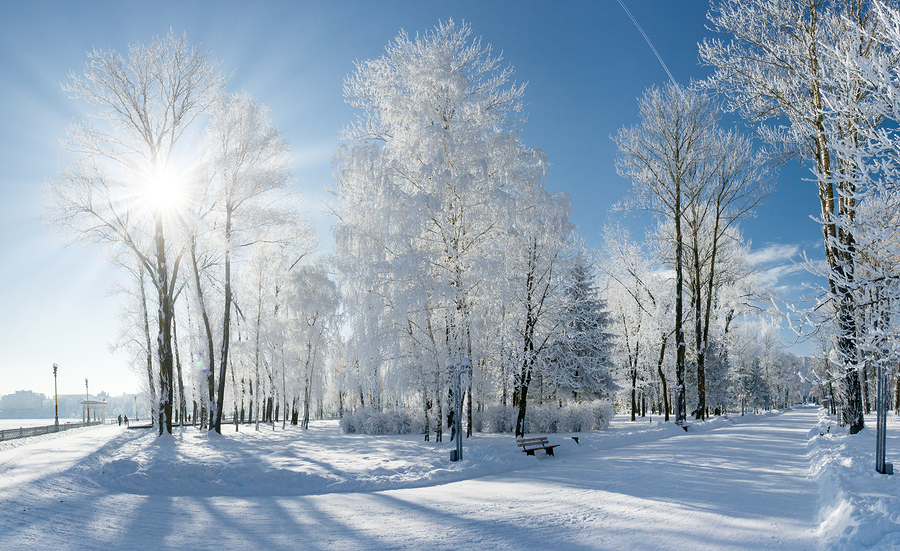
Winter Season: A Time for Rest, Wonder, and Fresh Starts
Winter brings a noticeable change to the world around us. Days grow shorter, temperatures drop, and many places are transformed by frost, snow, or crisp, clear skies. For some, the season means bundling up for outdoor adventures. For others, it is a welcome chance to slow down, spend time indoors, and enjoy familiar comforts.
The Beauty of Winter
One of winter’s greatest charms is its ability to make everyday landscapes feel new. Snow can soften rooftops and tree branches, while frost adds delicate patterns to windows and leaves. Even in places without snow, winter has its own character: cool mornings, dramatic sunsets, and the quiet beauty of trees at rest.
Winter weather varies widely across the United States. Some regions experience heavy snowfall and freezing temperatures, while others have mild days and occasional rain. Wherever you live, paying attention to local forecasts can help you plan activities and prepare for changing conditions.
Finding Joy in the Season
Cold weather does not have to keep everyone indoors. With suitable clothing and sensible planning, winter can be a wonderful time to get outside. Walking through a park, building a snowperson, ice skating, or simply enjoying a warm drink after a brisk stroll can make the season memorable. Outdoor activities also offer a chance to appreciate the landscape at a quieter time of year.
At home, winter invites cozy rituals. Reading a book, cooking a favorite meal, playing games, or sharing stories with family and friends can turn an ordinary evening into something special. Seasonal traditions—whether large celebrations or simple routines—can create a sense of connection and comfort.
Staying Healthy and Safe
Winter is also a good time to take extra care of health and safety. Dressing in layers helps provide warmth, and a hat, gloves, and sturdy footwear can make time outdoors more comfortable. When temperatures are very low, limit exposure to the cold and watch for signs of frostbite or hypothermia, especially in children, older adults, and anyone spending extended time outside.
At home, check that heating equipment is working properly and keep walkways clear of ice and snow. If driving in winter conditions, allow extra travel time, reduce speed, and leave more room between vehicles. Keeping an emergency kit in the car can also be helpful during severe weather.
Shorter days can affect mood and energy, too. Regular movement, nourishing meals, enough rest, and staying connected with others may help support well-being throughout the season. Anyone experiencing persistent low mood or other concerns should consider speaking with a health professional.
A Season for Reflection
Because winter often encourages a slower pace, it can be a natural time to reflect. The end of the year offers an opportunity to consider what went well, appreciate the people who made a difference, and think about goals for the months ahead. There is no need for a dramatic resolution; even one small intention can provide a helpful starting point.
Winter may bring challenges, from icy roads to chilly mornings, but it also offers beauty, rest, and opportunities to connect. By preparing for the weather and making room for small seasonal pleasures, anyone can find something to appreciate in this distinctive time of year.
9 Essential Tips for a Safe and Healthy Winter
- Dress in warm layers.
- Wear a hat and gloves outdoors.
- Check the weather before traveling.
- Keep sidewalks clear of ice.
- Drink plenty of water.
- Moisturize dry skin.
- Use sunscreen on bright winter days.
- Stay active indoors or outside safely.
- Keep an emergency kit in your car.
Dress in warm layers.
Dress in warm layers to stay comfortable when winter temperatures change throughout the day. Start with a moisture-wicking base layer, add an insulating layer such as fleece or wool, and finish with a coat that blocks wind and moisture. A hat, gloves, warm socks, and a scarf can help protect areas that lose heat quickly. Layers are easy to adjust indoors or during activity, helping you stay cozy without overheating.
Wear a hat and gloves outdoors.
Wear a hat and gloves whenever you go outdoors in cold winter weather. A hat helps reduce heat loss from your head, while gloves protect your hands from chilly air and wind. Choose warm, well-fitting options that cover your ears and fingers, and consider waterproof materials if it’s snowy or wet. Staying covered can make outdoor activities more comfortable and help protect your skin from the cold.
Check the weather before traveling.
Before traveling in winter, check the weather forecast and road conditions along your route. Snow, ice, freezing rain, and strong winds can make roads dangerous or cause delays, so allow extra time and consider changing your plans if conditions are severe. A quick check before you leave can help you choose a safer route, pack what you need, and arrive with less stress.
Keep sidewalks clear of ice.
Keep sidewalks clear of ice to help prevent slips and falls during winter. Shovel snow as soon as possible, then apply an ice-melting product or sand for added traction. Check walkways regularly, since melting snow can refreeze when temperatures drop, and use products according to their instructions to protect pets, plants, and nearby surfaces.
Drink plenty of water.
Drink plenty of water during winter, even when you don’t feel as thirsty as you do in warm weather. Cold, dry air and indoor heating can contribute to fluid loss, so keep water nearby and sip regularly throughout the day. Warm drinks, such as herbal tea or broth, can also help you stay hydrated and feel cozy.
Moisturize dry skin.
Cold air outside and dry indoor heating can leave skin feeling tight, itchy, or flaky during winter. Apply a fragrance-free moisturizer after bathing or washing your hands, while your skin is still slightly damp, to help lock in moisture. Choose a thicker cream or ointment for especially dry areas, and use lip balm to protect chapped lips. For extra comfort, keep showers brief and warm rather than hot, since hot water can further dry out your skin.
Use sunscreen on bright winter days.
Use sunscreen on bright winter days, even when the air feels cold. Ultraviolet (UV) rays can affect your skin year-round, and snow can reflect sunlight, increasing your exposure outdoors. Apply a broad-spectrum sunscreen with SPF 30 or higher to exposed skin before heading outside, and reapply as directed—especially after sweating or spending several hours outdoors.
Stay active indoors or outside safely.
Stay active during winter by choosing activities that suit the weather and your comfort level. Indoors, try stretching, dancing, or a simple home workout; outside, enjoy a walk or other seasonal activity when conditions are safe. Dress in warm layers, wear shoes with good traction, check the forecast, and avoid icy or dangerously cold conditions.
Keep an emergency kit in your car.
Keep an emergency kit in your car so you’re better prepared for winter breakdowns or delays. Include essentials such as a warm blanket, gloves, a flashlight with extra batteries, a first-aid kit, bottled water, nonperishable snacks, a phone charger, and basic supplies for your vehicle. Check the kit regularly and replace anything that’s expired or missing before winter weather arrives.


