Licorice: A Bold, Beloved Flavor
Licorice is a distinctive flavor with a long history and a loyal following. Sweet, earthy, and slightly herbal, it stands apart from familiar fruit and chocolate candies. Some people love its intense taste; others need a little time to warm up to it. Either way, licorice is one of the most recognizable flavors in the candy aisle.
Where Licorice Gets Its Flavor
True licorice flavor comes from the root of the licorice plant, Glycyrrhiza glabra. The root contains glycyrrhizin, a naturally sweet compound that gives it a characteristic flavor. Licorice has been used in foods and traditional preparations for centuries, though the flavor in modern candy can come from licorice extract, anise oil, or a blend of ingredients.
That distinction matters because anise and licorice are not the same plant. Anise has a similar sweet, aromatic taste, so its oil is often used to flavor candy—even when the candy contains little or no licorice root.
From Soft Chews to Salty Treats
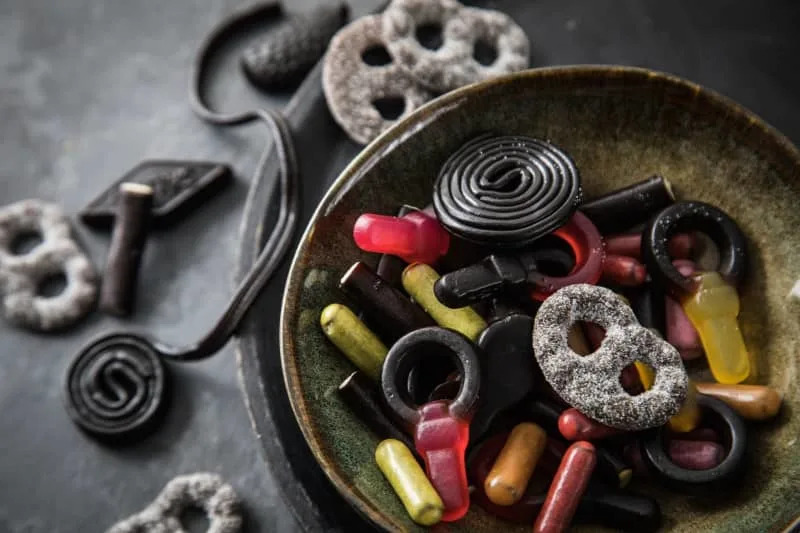
Licorice candy comes in many forms. In the United States, familiar favorites include soft black licorice twists, ropes, bites, and chewy pieces. Red licorice is also popular, but it usually gets its flavor from fruit or anise rather than licorice root. Its name describes the candy’s shape and style more than its ingredients.
In parts of Northern Europe, salty licorice—often called salmiak licorice—is a well-known treat. It gets its sharp, savory edge from ammonium chloride. For people accustomed to sweet candy, the flavor can be surprising; for fans, that intense combination is exactly the appeal.
Why People Love It—or Don’t
Licorice has a flavor profile that can be sweet, woody, herbal, and slightly bitter all at once. Its aroma is part of the experience, too. Some people enjoy its complexity and lingering taste, while others find it stronger than they prefer. Trying different styles—from mild, chewy pieces to bold black or salty licorice—can reveal just how varied the category is.
A Note on Enjoying Licorice
Licorice candy is best enjoyed in moderation. Consuming large amounts of candy made with real licorice root over time can expose someone to high levels of glycyrrhizin. This compound may affect blood pressure and potassium levels, and it can interact with some medications. People with high blood pressure, heart or kidney conditions, or those who take prescription medicines should check with a healthcare professional if they have questions about licorice consumption.
A Flavor That Stands Out
Whether it comes as a familiar chewy twist, a fruit-flavored red rope, or an adventurous salty variety, licorice offers something different from everyday sweets. Its unmistakable taste and many styles have helped it remain a classic for candy lovers around the world.
5 Essential Tips for Enjoying Licorice Safely and Deliciously
- Try black licorice for a bold, classic flavor.
- Enjoy licorice in small portions; it can be high in sugar.
- Check the label for real licorice root or anise flavor.
- Store licorice in an airtight container to keep it fresh.
- Avoid large amounts of licorice root, especially if you have high blood pressure.
Try black licorice for a bold, classic flavor.
Try black licorice for a bold, classic flavor that’s sweet, earthy, and unmistakably distinctive. Its rich taste is a favorite among longtime licorice fans and offers a delicious change from fruity candies.
Enjoy licorice in small portions; it can be high in sugar.
Enjoy licorice in small portions, especially if you’re watching your sugar intake. Like many candies, licorice can contain a lot of added sugar, so savoring a few pieces at a time can help keep it an occasional treat.
Check the label for real licorice root or anise flavor.
Check the label to see whether the candy is flavored with real licorice root or anise. They have a similar sweet, herbal taste, but they come from different plants, so the ingredients can help you choose the flavor you prefer.
Store licorice in an airtight container to keep it fresh.
Store licorice in an airtight container to help keep it soft, chewy, and fresh. Exposure to air can make it dry out or turn hard, while a sealed container helps preserve its texture and flavor. Keep it in a cool, dry place, away from direct sunlight and heat.
Avoid large amounts of licorice root, especially if you have high blood pressure.
Enjoy licorice in moderation, especially candy made with real licorice root. Large amounts may raise blood pressure and can affect potassium levels. If you have high blood pressure or take medication, ask a healthcare professional whether licorice is safe for you.