
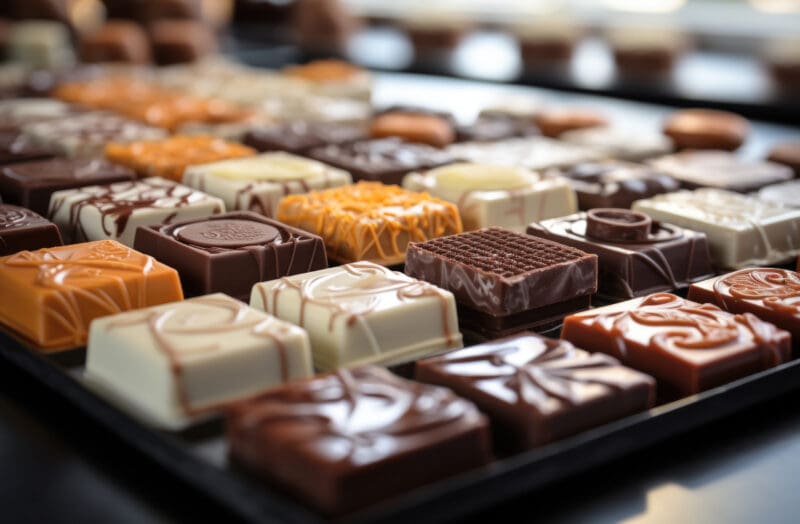
Chocolatiers: The Art and Craft of Fine Chocolate
Chocolate can be a simple pleasure, but behind a beautifully made truffle, bonbon, or chocolate bar is often a chocolatier’s careful work. Chocolatiers transform chocolate into finished confections, combining technical skill, creativity, and an understanding of flavor. Their creations can range from familiar favorites to intricate treats designed to surprise the senses.
What Does a Chocolatier Do?
A chocolatier specializes in making and working with chocolate confections. This may include molding bars, dipping fruit or nuts, preparing ganache, creating filled chocolates, and decorating bonbons. Some chocolatiers work in small shops or commercial kitchens, while others run their own businesses or create products for restaurants and specialty retailers.
Chocolatiers are sometimes confused with chocolate makers. A chocolate maker typically turns cacao beans into chocolate, overseeing steps such as roasting, grinding, and refining. A chocolatier generally works with chocolate that has already been made, shaping it into finished treats. Some professionals do both.
The Skills Behind the Sweets
Working with chocolate requires patience and precision. One essential technique is tempering, a process of carefully heating and cooling chocolate to encourage a stable crystal structure. Properly tempered chocolate usually has a smooth surface, a satisfying snap, and a glossy finish. Chocolate that is not tempered correctly may look dull or develop streaks.
Temperature is only part of the craft. Chocolatiers also pay close attention to texture, balance, and consistency. A filling must be smooth without being runny; a shell should be delicate but sturdy enough to protect what’s inside. Repeating the same result from batch to batch takes practice and careful attention to detail.
Ingredients and Flavor Pairings
Good chocolate confections begin with thoughtful ingredient choices. The type of chocolate—dark, milk, or white—shapes the flavor and sweetness of a finished piece. Chocolatiers may pair chocolate with ingredients such as toasted nuts, fruit, coffee, caramel, spices, or sea salt. Some explore less familiar combinations, including herbs, tea, or savory notes.
Balance matters. A tart fruit can brighten rich chocolate, while a pinch of salt can bring out its deeper flavors. A skilled chocolatier considers how each ingredient tastes, feels, and works with the others.
Popular Chocolatier Creations
- Truffles: Soft-centered confections often made with ganache and finished with cocoa powder, chocolate, or other coatings.
- Bonbons: Small, molded chocolates with a thin shell and a flavorful center.
- Chocolate bars: Bars that may feature different cacao percentages, inclusions, or flavor combinations.
- Chocolate-dipped treats: Fruit, nuts, cookies, and other foods coated in chocolate.
- Seasonal confections: Special creations made for holidays, celebrations, or particular times of year.
How to Choose Chocolates
When choosing chocolates, consider the occasion and the person who will enjoy them. A mixed assortment can be a good choice when tastes are varied, while a box of truffles or a particular flavor may suit someone with a clear favorite. If possible, check the ingredient list for allergens and review storage instructions, especially for chocolates with fresh or delicate fillings.
Appearance can offer clues about craftsmanship, but it is not the only measure of quality. Look for chocolates that are well finished and thoughtfully presented, then choose flavors that sound appealing. The best chocolate is ultimately the kind you enjoy eating.
A Craft Made for Sharing
Chocolatiers bring together technique, imagination, and a love of flavor to create treats for everyday enjoyment and special moments alike. Whether it’s a single handcrafted bonbon or a box shared with friends, fine chocolate can turn a small indulgence into a memorable experience.
Chocolatiers Explained: Roles, Training, Skills, Tools, and Techniques
- What does a chocolatier do?
- What is the difference between a chocolatier and a chocolate maker?
- How do you become a chocolatier?
- What skills and tools does a chocolatier need?
- How do chocolatiers make truffles and bonbons?
What does a chocolatier do?
A chocolatier creates finished chocolate confections, such as truffles, bonbons, chocolate bars, and chocolate-dipped treats. They shape, fill, decorate, and flavor chocolate, using techniques like tempering to achieve a smooth finish and satisfying snap. While chocolate makers produce chocolate from cacao beans, chocolatiers typically use prepared chocolate to craft the sweets customers enjoy.
What is the difference between a chocolatier and a chocolate maker?
A chocolate maker turns cacao beans into chocolate, managing steps such as roasting, grinding, and refining. A chocolatier takes chocolate—often made by a chocolate maker—and transforms it into finished confections, such as truffles, bonbons, and molded bars. Some professionals do both, but the key difference is that chocolate makers produce chocolate from cacao, while chocolatiers specialize in creating treats from chocolate.
How do you become a chocolatier?
Becoming a chocolatier usually starts with learning the fundamentals of cooking and baking, then building hands-on experience with chocolate through culinary classes, workshops, an apprenticeship, or an entry-level job in a chocolate shop or bakery. Practice techniques such as tempering, molding, and making ganache, while learning about ingredients, food safety, and flavor pairing. Formal training isn’t always required, but patience, precision, creativity, and plenty of practice are essential for developing the skills to work professionally or start a chocolate business.
What skills and tools does a chocolatier need?
A chocolatier needs patience, precision, creativity, and a strong understanding of chocolate, including how to temper it and balance flavors and textures. Useful tools include a digital thermometer, a kitchen scale, spatulas, molds, dipping forks, piping bags, and a smooth work surface. Depending on the confections they make, chocolatiers may also use a heat-resistant bowl, a scraper, and specialized equipment for melting or tempering chocolate.
How do chocolatiers make truffles and bonbons?
Chocolatiers typically make truffles by preparing a smooth ganache from chocolate and cream, chilling it until firm, then shaping it into balls and coating them with cocoa powder, nuts, or melted chocolate. Bonbons are often made in molds: the chocolatier coats each cavity with tempered chocolate, adds a filling such as ganache, caramel, or fruit purée, and seals the back with another layer of chocolate. After the chocolates set, they’re unmolded and finished for serving.


