The Sweet Truth About Sugar-Free Treats
With the growing emphasis on health and wellness, the popularity of sugar-free products has surged in recent years. From candies and chocolates to beverages and baked goods, the market for sugar-free treats continues to expand, offering a tempting alternative to traditional sugary indulgences.
One of the primary reasons driving the demand for sugar-free products is the increasing awareness of the detrimental effects of excessive sugar consumption on health. High sugar intake has been linked to various health issues, including obesity, diabetes, and heart disease. By opting for sugar-free alternatives, individuals can enjoy their favorite treats without compromising their well-being.
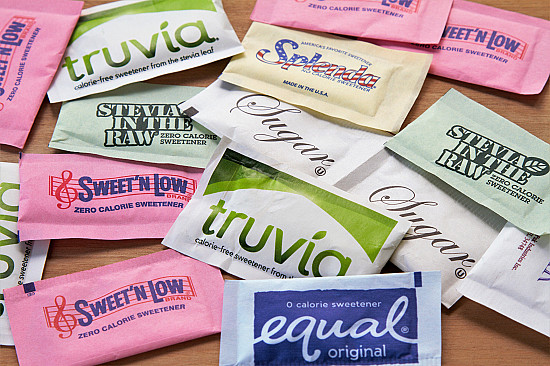
Moreover, advancements in food technology have led to the development of innovative sweetening agents that provide the same level of sweetness as sugar but with fewer calories. Artificial sweeteners such as stevia, sucralose, and aspartame are commonly used in sugar-free products to enhance their taste without adding extra calories.
For individuals with diabetes or those following a low-carb diet, sugar-free treats offer a guilt-free way to satisfy their sweet cravings. These products allow them to manage their blood sugar levels more effectively while still enjoying a wide range of delicious confections.
It’s important to note that while sugar-free treats can be a healthier option compared to their sugary counterparts, moderation is key. Some artificial sweeteners may have laxative effects if consumed in excess, so it’s essential to consume them in reasonable quantities.
Whether you’re looking to cut back on your sugar intake or simply exploring new flavors, sugar-free treats provide a tasty and wholesome alternative for satisfying your sweet tooth. With an ever-expanding selection of options available in stores and online, there’s no shortage of delightful choices waiting to be discovered.
Next time you’re craving something sweet but want to make a healthier choice, consider reaching for a delicious sugar-free treat – your taste buds and your body will thank you!
Understanding Sugar-Free: Answers to Common Questions and Misconceptions
- Is sugar-free good for diabetics?
- Does sugar-free really mean sugar-free?
- What is exactly sugar-free?
- What does “sugar-free” mean?
- Is sugar-free actually sugar-free?
- Is sugar-free a healthy option?
Is sugar-free good for diabetics?
For individuals managing diabetes, the question of whether sugar-free products are beneficial often arises. Sugar-free options can be a suitable choice for diabetics as they help regulate blood sugar levels more effectively than traditional sugary treats. By opting for sugar-free alternatives sweetened with artificial sweeteners or natural sugar substitutes, diabetics can enjoy a variety of confections without causing significant spikes in blood glucose levels. However, it’s essential for diabetics to consume sugar-free products in moderation and consult with their healthcare provider to ensure these treats align with their dietary needs and overall health goals.
Does sugar-free really mean sugar-free?
The term “sugar-free” can sometimes be misleading, as it does not always indicate the complete absence of sugar in a product. In the context of food labeling, “sugar-free” typically means that the product contains less than 0.5 grams of sugar per serving. However, this does not mean that the product is entirely devoid of sweetening agents. It’s essential to check the ingredients list to determine what substitutes, such as artificial sweeteners or natural sugar alternatives, are used in place of traditional sugar. Being informed about the specific ingredients in a “sugar-free” product can help individuals make more conscious choices based on their dietary preferences and health goals.
What is exactly sugar-free?
Sugar-free refers to products that do not contain added sugars or sweeteners derived from sugar, such as sucrose or glucose. Instead, sugar-free items are often sweetened using alternative ingredients like artificial sweeteners or natural sugar substitutes. These products are designed to provide a sweet taste without the high caloric content associated with traditional sugars, making them a popular choice for individuals looking to reduce their sugar intake for health reasons or dietary preferences. When a product is labeled as sugar-free, it means that it contains minimal to no added sugars, offering a lighter and potentially healthier option for those seeking to enjoy sweet treats in a more mindful way.
What does “sugar-free” mean?
When a product is labeled as “sugar-free,” it means that it does not contain any added sugars or sweeteners that are derived from sugar. Instead, sugar-free products are typically sweetened using alternative sweetening agents such as artificial sweeteners like stevia, sucralose, or aspartame. These substitutes provide the sweetness that consumers crave without the added calories and potential negative health effects associated with traditional sugars. Opting for sugar-free options can be a beneficial choice for those looking to reduce their sugar intake while still enjoying a variety of delicious treats.
Is sugar-free actually sugar-free?
The term “sugar-free” can be a bit misleading, as products labeled as such may still contain small amounts of natural sugars or alternative sweeteners. While these substitutes are used to provide sweetness without the high caloric content of sugar, it’s essential to read labels carefully and understand the ingredients used in sugar-free products. Some artificial sweeteners may have minimal effects on blood sugar levels or caloric intake, so individuals with specific dietary concerns should exercise caution and consult with healthcare professionals if necessary. Ultimately, while sugar-free options can be a beneficial alternative for those looking to reduce their sugar intake, it’s important to be informed about what “sugar-free” truly means in the context of different products.
Is sugar-free a healthy option?
When considering whether sugar-free products are a healthy option, it’s essential to weigh the benefits and potential drawbacks. Sugar-free alternatives can be a suitable choice for individuals looking to reduce their sugar intake, manage diabetes, or maintain a low-carb diet. These products can help satisfy sweet cravings without causing spikes in blood sugar levels. However, it’s crucial to be mindful of the ingredients used in sugar-free items, as some artificial sweeteners may have side effects if consumed in excess. Moderation and balance are key when incorporating sugar-free options into your diet to ensure overall health and well-being.