
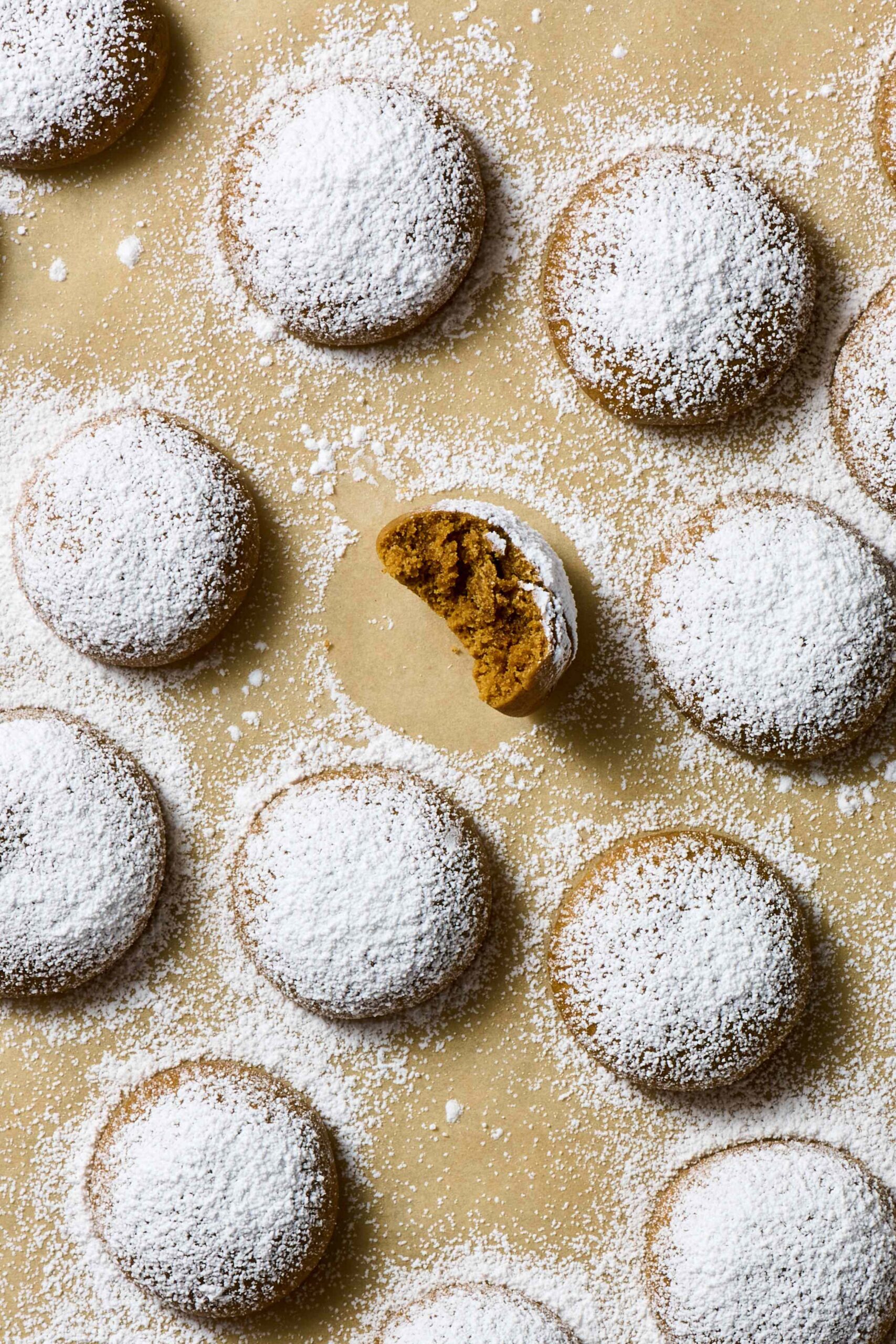
Pfeffernüsse: Germany’s Spiced Holiday Cookies
Pfeffernüsse are small, richly spiced cookies enjoyed during the holiday season in Germany and other parts of Northern Europe. Their name is often translated as “pepper nuts”: Pfeffer means pepper, and Nüsse means nuts. Despite the name, many versions contain no nuts at all. The cookies are typically round, slightly firm on the outside, and fragrant with warm spices.
What Do Pfeffernüsse Taste Like?
The flavor of pfeffernüsse is aromatic and gently warming. Recipes commonly use cinnamon, cloves, nutmeg, cardamom, and anise, sometimes with a small amount of black pepper for a subtle bite. Honey, molasses, or another sweetener gives the dough its deep, rounded flavor, while citrus zest may add a bright note.
Some pfeffernüsse are coated in a simple sugar glaze, while others are dusted with powdered sugar or left plain. Their texture can vary: some are crisp and snappy, while others are softer and slightly chewy. The cookies may also firm up after baking and then soften as they rest.
A Traditional Holiday Treat
Pfeffernüsse are closely associated with Christmas markets and holiday baking in Germany. They belong to a wider family of European spiced cookies that includes gingerbread and other festive, long-keeping treats. Their blend of spices reflects a time when imported seasonings were valued ingredients, especially for special-occasion baking.
There are many regional and family variations, so no single recipe represents every version. Some doughs are made with honey, while others use syrup or sugar. Certain recipes include finely ground nuts, and some add a splash of spirits or citrus flavoring. The name and ingredients can differ across traditions, too.
How Pfeffernüsse Are Made
To make pfeffernüsse, bakers combine flour with sugar or honey, spices, and a leavening agent. Depending on the recipe, the dough may also contain eggs, butter, ground nuts, or candied citrus peel. After mixing, the dough is shaped into small balls and baked until set.
Many recipes recommend resting the dough before baking. This gives the spices time to develop and can make the dough easier to handle. Once the cookies have cooled, they may be dipped in a thin glaze or coated with powdered sugar. Storing them in an airtight container for a day or two can help the flavors mingle and the texture become more tender.
Serving and Storing Pfeffernüsse
Pfeffernüsse pair well with coffee, tea, hot chocolate, or mulled wine. They’re often served as part of a holiday cookie platter, but their distinctive spice makes them enjoyable throughout the colder months.
For the best texture, store the cookies in an airtight container at room temperature. If they become firmer than expected, placing a small piece of bread in the container for a short time may help soften them; remove it once the cookies reach the texture you like. Always follow the storage guidance for the particular recipe, especially if it includes perishable ingredients.
Why Pfeffernüsse Remain a Favorite
Pfeffernüsse bring together the flavors and aromas many people associate with winter: warming spices, gentle sweetness, and a touch of citrus or pepper. Their small size makes them easy to share, and their many variations invite bakers to make the recipe their own. Whether glazed, powdered, crisp, or soft, these traditional cookies offer a delicious taste of holiday baking.
Pfeffernüsse Cookies FAQ: Ingredients, Flavor, Softness, and Storage
- What are pfeffernüsse cookies?
- Why are pfeffernüsse called “pepper nuts” if they often contain no nuts?
- What spices are used in pfeffernüsse?
- What do pfeffernüsse taste like?
- How do you make pfeffernüsse soft instead of hard?
- How should you store pfeffernüsse to keep them fresh?
What are pfeffernüsse cookies?
Pfeffernüsse are small, round, spiced cookies traditionally enjoyed during the Christmas season in Germany and other parts of Northern Europe. Their name means “pepper nuts,” though many recipes contain neither pepper nor nuts; instead, they’re flavored with warm spices such as cinnamon, cloves, cardamom, and nutmeg. Depending on the recipe, pfeffernüsse may be soft or crisp and are often finished with a coating of powdered sugar or a simple glaze.
Why are pfeffernüsse called “pepper nuts” if they often contain no nuts?
Pfeffernüsse are called “pepper nuts” because the German name combines Pfeffer (“pepper”) and Nüsse (“nuts”), describing their traditional spicy flavor and small, nut-like shape—not necessarily their ingredients. Many recipes include no nuts, though some versions do; the name has simply remained part of the cookie’s tradition.
What spices are used in pfeffernüsse?
Pfeffernüsse are flavored with a warming blend of spices, often including cinnamon, cloves, nutmeg, cardamom, and anise. Some recipes also add black pepper for a gentle bite, along with ginger or citrus zest for extra depth. The exact combination varies by region and family recipe.
What do pfeffernüsse taste like?
Pfeffernüsse taste sweet, warmly spiced, and aromatic, with notes such as cinnamon, cloves, nutmeg, cardamom, and sometimes a hint of black pepper or anise. Honey or molasses can add a rich, mellow sweetness, while some recipes include citrus for a bright finish. Their texture varies: they may be crisp and firm or soft and chewy, and a sugar glaze or powdered sugar adds an extra touch of sweetness.
How do you make pfeffernüsse soft instead of hard?
To keep pfeffernüsse soft, avoid overbaking them—take them out when they’re just set, since they’ll firm up as they cool. Choose a recipe with ingredients like honey, molasses, or butter, which can help create a softer texture, and store the cooled cookies in an airtight container. Many pfeffernüsse also soften after a day or two as their flavors develop; if they’re still too hard, place a small piece of bread in the container briefly and remove it once the cookies have softened.
How should you store pfeffernüsse to keep them fresh?
Store pfeffernüsse in an airtight container at room temperature, away from heat and direct sunlight, to help preserve their flavor and texture. Keep them in a single layer or separate layers with parchment paper to prevent sticking, especially if they’re glazed. They often become more tender after a day or two; if they get too firm, add a small piece of bread to the container briefly and remove it once the cookies soften.


